Structural Design
What is Structural Steel Detailing? Process, Drawings & Benefits

By Alex A
Head of Engineering


Steel detailing may look like a small step in your structural engineering project. But it has the power to make or break the entire process.
A single mistake in the details can lead to delays, rework, and extra costs. In the fast-paced world of engineering and construction, these issues can quickly spiral out of control and affect your budget and timeline.
In this blog, we’ll explain why you can’t ignore structural steel detailing. And how getting it right from the start saves you time and money and keeps you compliant. Let’s dig in!
What is structural steel detailing?
Steel detailing is the critical link between engineering design and fabrication. It involves creating detailed drawings and documentation that guide fabricators and erectors in assembling steel structures correctly.
A steel detailer is responsible for making sure that every beam, column, brace and connection is accurately represented so manufacturers and builders can avoid costly errors.
Think of it like an instruction manual for steel structures. Without it, fabrication and installation become a guessing game, which leads to wasted materials, delays and safety risks.
What does structural steel detailing include?
A comprehensive structural steel detailing includes:
Shop drawings
These are your step-by-step guides for fabricating steel parts. They show:
- Exact dimensions for cutting and drilling steel parts
- Number of bolts, bolt hole sizes and locations
- Welding instructions for assembling different sections
- Material specifications (what type of steel/aluminum to use)
Erection drawings
These help construction crews install everything in the right place. They include:
- Erection sequence
- Where each beam, column and connection go
- How different parts fit together
- Which connections are bolted vs. welded
Bill of Materials (BOM)
A detailed list of all the materials needed for the job, including:
- Steel beams, plates, supports and braces
- Bolt sizes and quantities
- Welding materials
Connection details
These drawings explain:
- How steel pieces attach to each other
- The type and size of welds
- What bolts and fasteners to use and how tight they need to be
3D models & clash detection
Many steel detailers now use CAD modelling software like Tekla, Advance Steel, Revit or AutoCAD to catch design issues before fabrication starts, preventing costly mistakes.
Assembly instructions
Sometimes, detailing includes guidelines on:
- The order to install steel parts
- Which sections should be welded in the shop vs. on-site
- Lifting points for cranes to safely move large pieces
How does the structural steel detailing process work?
Structural steel detailing takes the approved design and turns it into a detailed 3D model and drawings for fabrication and erection. The exact steps can vary by project, but the process usually looks like this.
1. Review the project documents
The detailer starts by reviewing the structural and architectural drawings, GA drawings, specifications, codes and project requirements.
This helps identify the scope, member sizes, levels, grids, materials and other key requirements. Any missing or conflicting information is clarified with the engineer or project team before detailing begins.
2. Build the 3D steel model
Next, the detailer creates a 3D model of the structural steelwork, including columns, beams, braces and other primary members.
Depending on the project, the model may also include plates, stiffeners, connection components, holes, bolts and welds. Tools like Tekla Structures, SDS/2 and Advance Steel are commonly used for this work.
3. Detail the connections
Connections are developed based on the approved structural design and project requirements.
If connection design is part of the scope, the detailer works with the structural engineer to develop the required connections. If the connections have already been designed and approved, the detailer develops the fabrication-level details from that information.
4. Check the model for coordination issues
Once the main steelwork is modeled, the detailer checks how everything fits together. This helps identify member clashes, connection conflicts, clearance issues and problems with other building elements before they reach fabrication or the construction site.
5. Prepare the required drawings
The coordinated model is then used to develop the drawings needed for the project. These may include shop drawings, assembly drawings and erection drawings, depending on the project scope. Each drawing serves a different purpose in the fabrication and erection process.
6. Check the detailing package
Before the drawings are issued, the model and drawings are checked against the approved design and project requirements.
The review can cover member geometry, connections, dimensions, piece marks, materials, drawing consistency and coordination.
7. Review and revise
The detailing package may go through review by the structural engineer, contractor, fabricator or other project stakeholders. Any required changes are incorporated into the model and affected drawings. The revised information is then checked again for consistency.
8. Issue the final drawings
Once the required reviews are complete, the final detailing package is issued with the appropriate revision and status.
The fabrication and erection teams can then use the approved information to manufacture and assemble the structural steelwork.
The cost of poor steel detailing
Steel detailing needs to be done right. Even a small mistake can lead to delays, wasted materials, rework, and higher costs.
What looks like a minor error on paper can become a major problem during fabrication or erection.
Here’s why:
1. Fabrication errors mean wasted steel & labour
Let’s say a beam arrives at the shop, only to discover the bolt holes are in the wrong place. Now what?
- Best-case scenario: The fabricator spends extra hours fixing the mistake.
- Worst-case scenario: The steel is scrapped, and a new order is placed, delaying the entire project.
Either way, poor detailing means more time, more materials, and more money down the drain.
2. Construction delays drain time & money
On a construction site, every piece of steel needs to fit perfectly. If columns, beams, or braces don’t align because of a detailing error, the entire project comes to a standstill. And delays aren’t cheap:
- Idle crews waiting for corrections = Lost labour costs
- Rushed last-minute field modifications = Extra expenses
- Project delays = Penalties, lost bonuses, and frustrated clients
Steel detailing mistakes don’t just slow things down. They create a domino effect that throws entire schedules off track.
3. Safety risks & compliance issues
Steel structures must follow strict safety codes like AISC, AWS, OSHA and regional industry standards. A detailing error can cause weak connections, load issues, or instability. That means failed inspections and costly emergency fixes. And worst, a structural failure that risks lives.
Accurate structural steel detailing relies on sound structural steel design principles, applicable safety codes and local project requirements. At Sedin Engineering, our structural steel drawings and models are developed to provide clear information for manufacturers, fabricators and erectors.
4. Rework (the silent profit killer)
One of the biggest hidden costs in steel fabrication? Rework.
Every time an engineer has to revise drawings or a fabricator has to fix an error, the costs pile up leading to additional engineering fees and extra material handling.
Rework eats into profit margins fast. Investing in precise steel detailing upfront is always the cheaper option.
5. A reputation that’s hard to fix
In the steel industry, reputation is everything. One bad project can mean:
- Lost trust from clients and contractors
- Fewer referrals
- Negative impact on your company’s credibility
Benefits of accurate steel detailing
The best way to avoid these costly mistakes is accuracy. When steel detailing is done with precision and attention to detail, it eliminates fabrication errors, prevents costly rework, and keeps projects on track.
Here’s why getting it right the first time makes all the difference.
- Prevents costly mistakes: One wrong connection can mean delays and expensive rework. When the structural detailing is accurate, it ensures every piece fits the first time — no surprises, no do-overs.
- Speeds up production & assembly: With detailed shop drawings and precise BOMs (Bill of Materials), manufacturers cut production time, and fabricators assemble faster with fewer adjustments. That keeps projects on time and within budget.
- Ensures safety & compliance: Every steel structure must meet several local and international steel design standards. Precision detailing ensures every bolt, weld and beam meets these standards which reduces liability and prevents inspection failures.
- Reduces waste & cuts costs: Accurate steel detailing reduces waste, minimizes errors and maximizes material use. This saves money and makes construction more sustainable.
- Keeps projects moving smoothly: Clear and precise structural detailing eliminates miscommunication between engineers, fabricators, and contractors. That means fewer RFIs, faster approvals and no last-minute surprises that slow projects down.
ALSO READ: Steel Design and Detailing Checklist for Contractors
Need experienced steel detailers for your project?
Structural steel detailing connects the design with the information needed for fabrication and erection. When the details are clear and coordinated, teams can identify issues earlier and avoid unnecessary errors and rework.
The level of detailing varies with the project scope, design and fabrication requirements. What matters is that the final information is clear and consistent with the approved design.
If you need additional support for a structural steel project, Sedin Engineering provides steel detailing services based on project scope and requirements.
Related Blogs


Structural Steel Design Principles: A Practical Guide
Discover key principles of steel structure design, from load handling and stability to connections and sustainability, for strong and cost-effective structures.


What Are Fabrication Drawings and Why They’re a Must for Error-Free Steel Construction
Discover the types of fabrication drawings, their role in steel construction and how they prevent costly errors and delays.


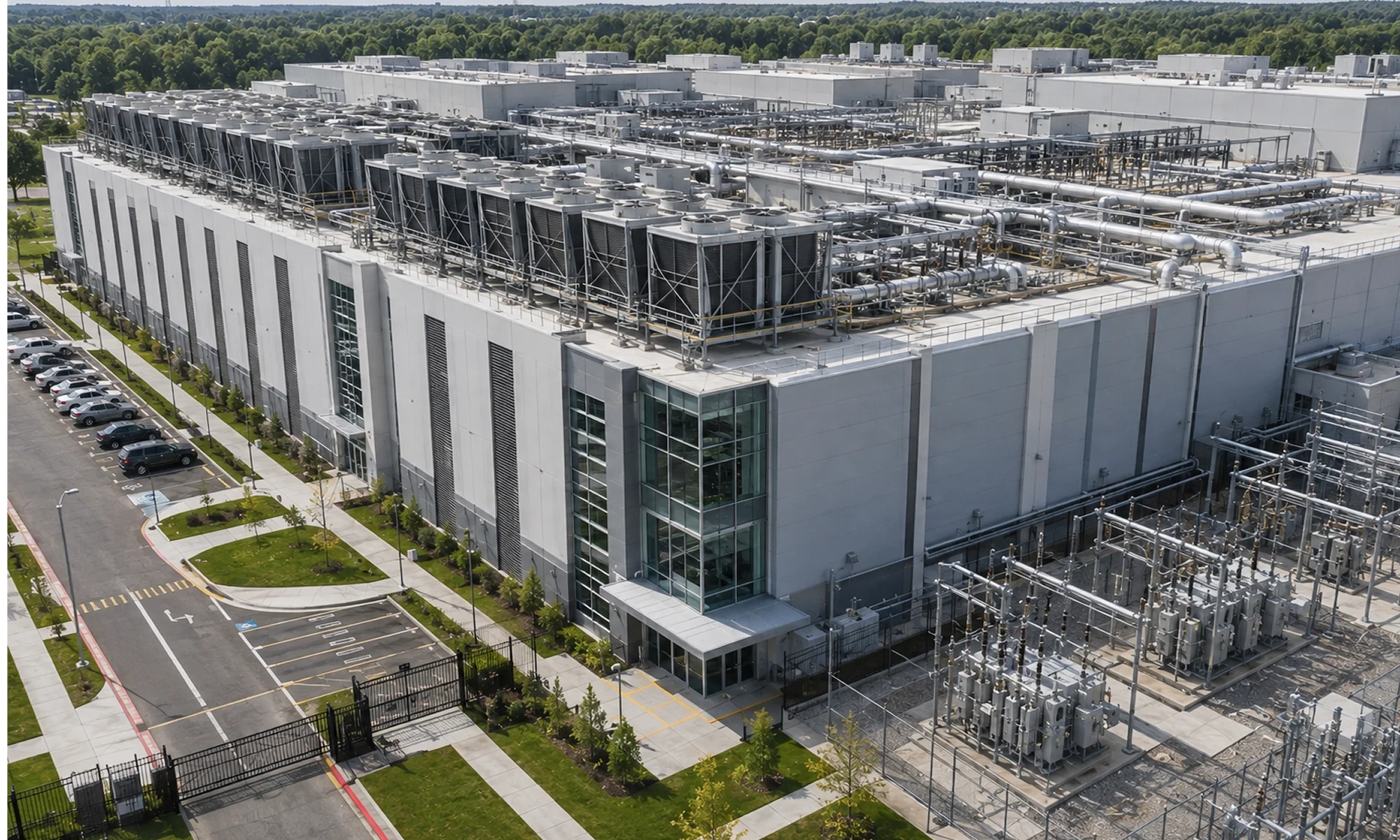
Data Center Structural Design: A Complete Guide for Contractors and EPCs
A practical guide to data center structural design covering steel framing, connection design, detailing requirements, common challenges and best practices.