Plant Design Reverse Engineering Services
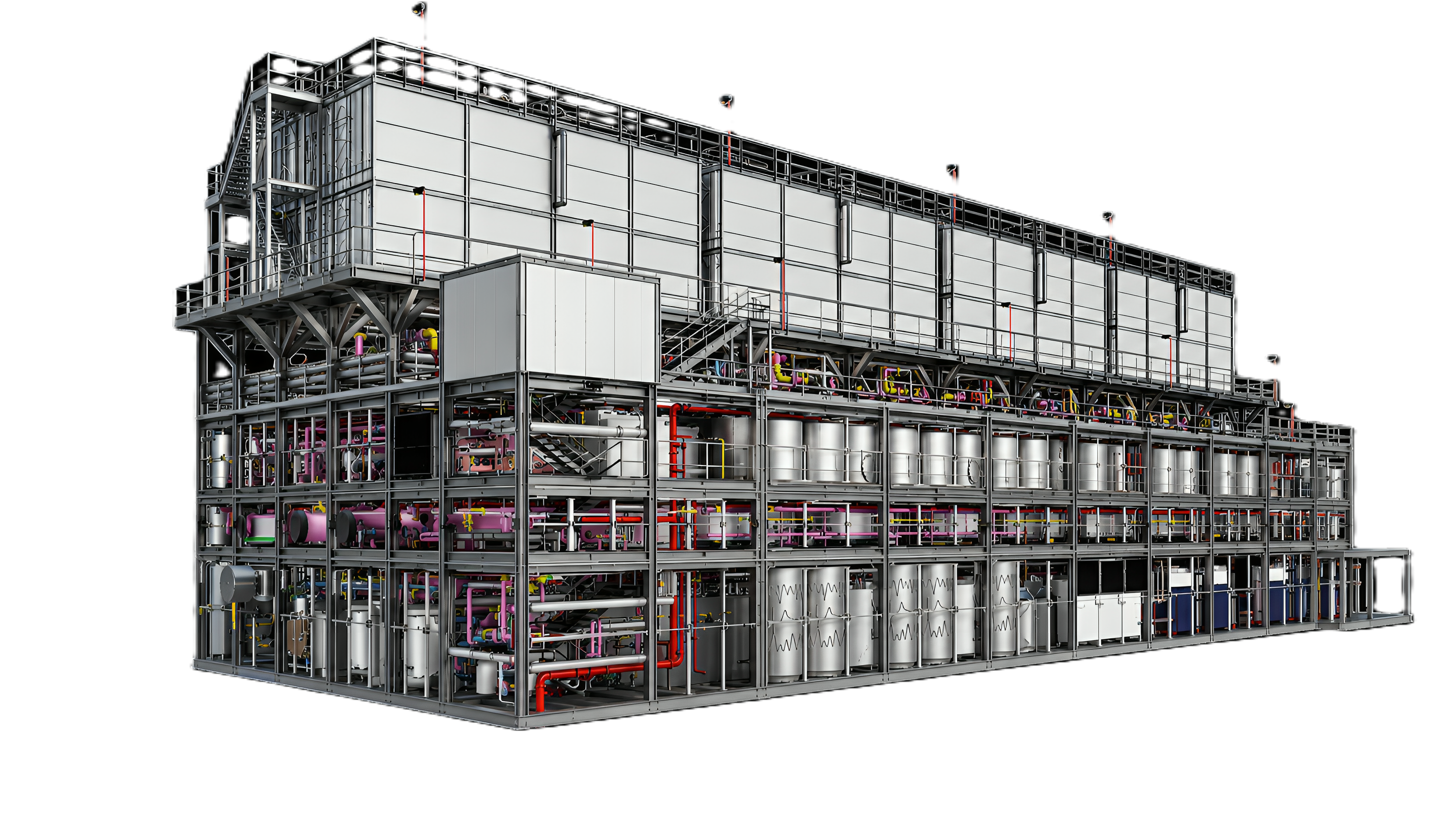
We transform existing plants and facilities into visually engaging CAD models that enable safe modifications, expansion, and compliance.


Advanced 3D Reverse Engineering Services


We streamline undocumented modifications—piping reroutes, equipment swaps, instrument changes—of plants and facilities into accurate, highly detailed deliverables.
Our scan to CAD plant engineering services enable the creation of intelligent geometric models from sketches, scans, and existing technical data.
We use advanced technologies to achieve precision in reconstruction.
- Convert legacy data to 3D models and 2D drawings using latest CAD technology
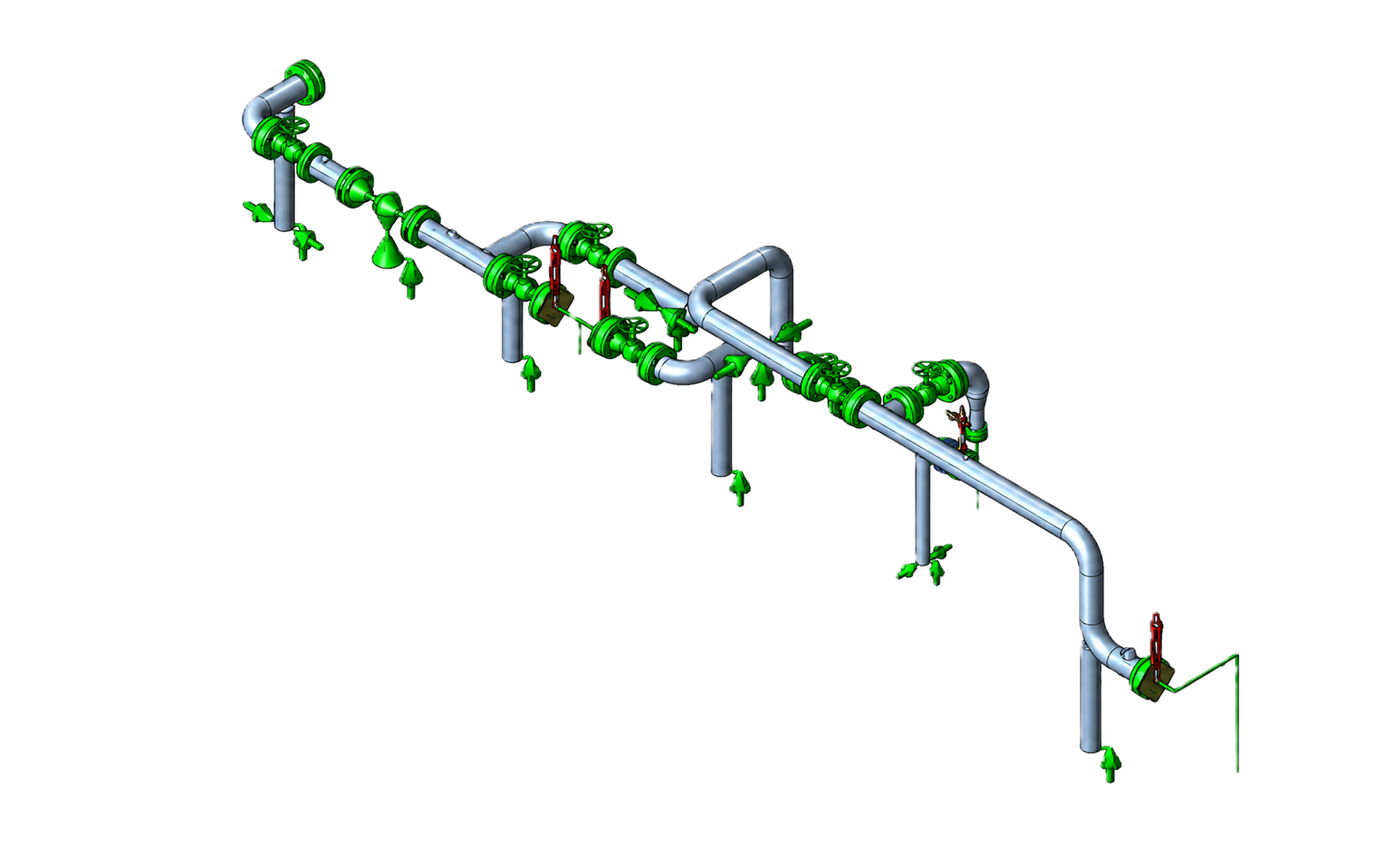
- Produce P&ID, Isometrics, and equipment arrangement drawings of pipe support details—pipe diameter, materials, temperature—and others using verified data
- Capture digital replicas of existing plants and industrial facilities using laser scanning.
- Convert point cloud data captured from site surveys into models using Revit, designed using Plant 3D and AVEVA E3D
- Compare existing documents with current data and identify gaps for potential engineering and safety risks
Converting Assets into 3D Reverse Engineering Records


Our reverse-engineered models are produced using expert engineering insight. When documents are incomplete or unavailable, we interpret what is physically present, identify changes, and produce outputs accurate enough for designing.
We have a structured process to ensure every section of a facility can be reconciled seamlessly, without overlooking any new details.

Document Assessment and Review
Our team will evaluate the plant's history using available registered data—GA drawings and the equipment register. Deviations and gaps in pipe routes and support structures are noted before work begins.
On-Site Survey and Laser Scanning
Plant engineers capture the site using advanced 3D laser scanners and populate them in Polycam as a point cloud for accurate spatial reference. The data points from the individual scan positions are cleansed, noise-filtered, and structured for efficient modelling.
Point Cloud-Based Reconstruction
Piping systems and structural equipment are modelled against the point cloud created using 3D scanning software. Each element in this system is tagged and numbered for identification using data gathered during site inspection and available records.
Assessment of Reconstructed Model
The reproduced model is verified with the point cloud and the physical site. Any variation between them is considered and rectified before submitting deliverables.
Transferring Project Deliverables
All deliverables—updated P&IDs, documentation, and 2D drawings—and verified 3D models are submitted to the concerned Single Point of Contact (SPOC). These deliverables can be traced back to the data captured during physical inspection.
Synchronising Plant Piping and Support Data


An outdated documentation approach may fail to capture recent updates to a facility. This creates challenges during construction, modifications, and maintenance.
Our reverse engineering services extend beyond the requirement of simply creating an accurately reconstructed model. We maintain consistency simultaneously across both legacy and updated records.
- Eliminate clashes and fit-up failures arising from designs with outdated and assumed dimensions. Replace them with field-verified data for a more accurate equipment placement.
- Reduce costs and the need for repeated on-site inspections for future engineering modifications by creating reverse-engineered models with a verified baseline of the plant.
- Test functionality and eliminate risks of reconstructed models by measuring them against ASME standards, reducing operational disruptions.
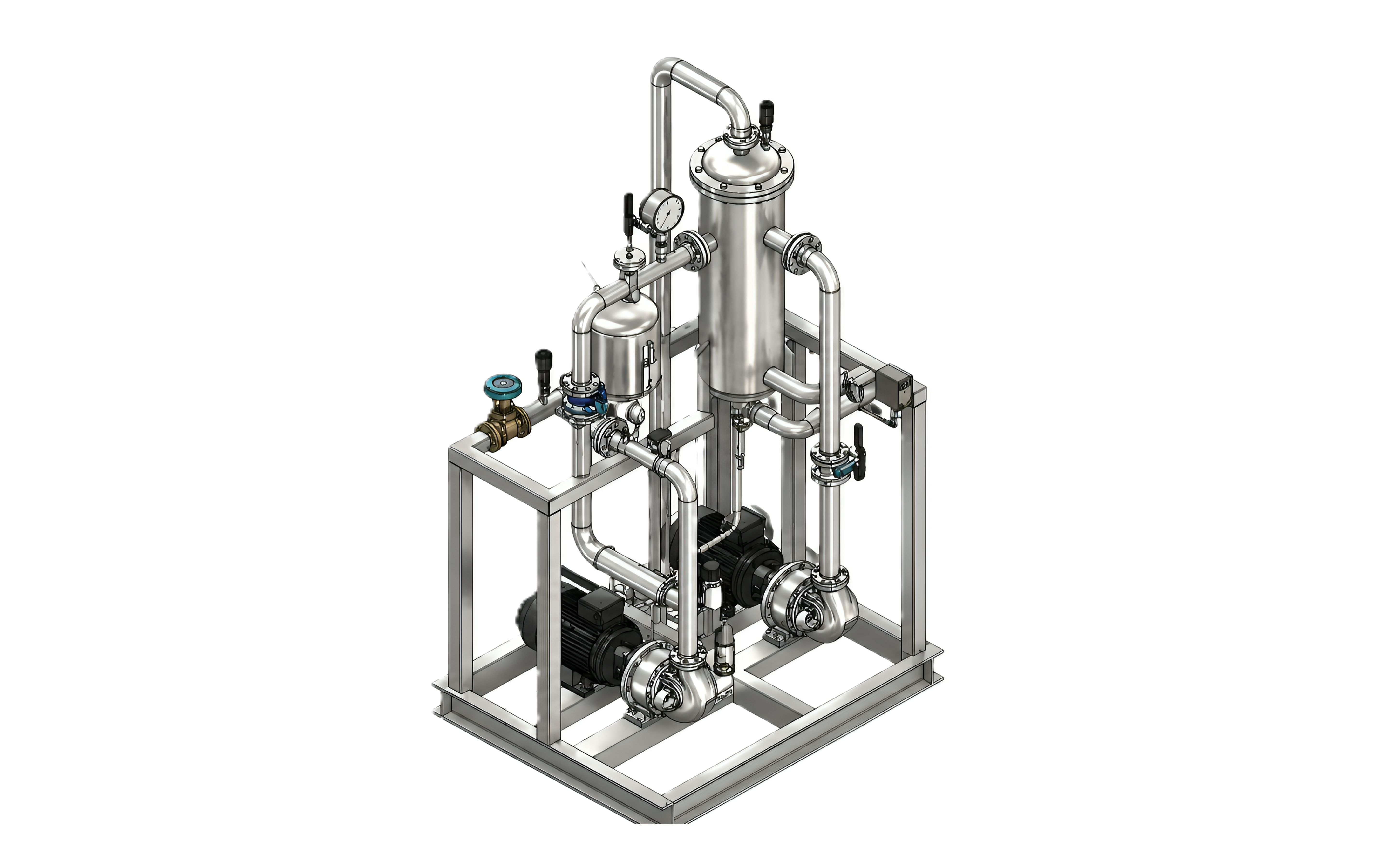
- Recreate critical components—pipe racks, railings, ladders, and other supports—through 3D reverse engineering. Convert them into 2D drawings for efficient fabrication and construction.
Smart Reverse Engineering Solutions


We can help maximise the lifespan and performance of a plant and its supporting equipment through software-based reconstruction. Engineered designs are delivered thoughtfully to equip projects and overcome future challenges with ease.
Our team can identify weaknesses, revamp old designs, prepare tactical solutions, and introduce cost-effective strategies to save and maintain facilities.
- Bridging the gap between existing drawings and plant by ensuring accurate dimensions and positional data of pipework, equipment, and supports are added to the current design.
- Significantly reducing construction downtime and reliance on the original equipment manufacturers' (OEM) lead times by recreating piping systems and old plants’ structures using the latest CAD technology.
- Perform physical measurements, where necessary, of the plant site to reproduce data from incomplete, lost, or never produced drawings, instead of speculating.
- Reduce site survey time and visits by capturing spatial data through a single laser scan for accurate as-built modelling, avoiding multiple manual measurements and disruption to ongoing operations.
- Improve documentation reliability by updating ageing P&IDs, isometrics, and equipment registers according to current conditions of the plant. Reconciling additions and changes to the original construction with existing documents.
Technologies we use
AUTOCAD * AVEVA PDMS / E3D * SOLIDWORKS
INVENTOR * AUTODESK REVIT * NAVISWORKS
ACC COLLABORATE PRO * CAESAR II
Industries we serve

OIL & GAS

POWER

WATER TREATMENT

PETROCHEMICAL

PAPER & PULP

RENEWABLES

FOOD & BEVERAGE

REFINERY
Industrial Standards
Frequently Asked Questions
Reverse Engineering Services FAQs
Related Engineering Services