Renewable Energy
BESS Design for Data Centers: Utility-Scale Battery Storage
The client is a U.S.-based energy technology company focused on powering a more sustainable future. They provide advanced battery energy storage systems (BESS) and smart software to modernize energy grids and support reliable power infrastructure for applications like data centers. With deep industry expertise, they help customers navigate complex energy markets and deliver reliable, scalable solutions.
Scope
The client required a large-scale Battery Energy Storage System (BESS) for data center applications to provide reliable backup power during outages and support peak demand. The system had to meet specific performance, space, thermal, and safety requirements.
Our task was to develop a BESS solution with 2-hour, 4-hour and 8-hour discharge variants, giving the client flexibility to configure the system based on their power and energy requirements.
Our scope included:
- Designing custom battery storage containers
- Thermal management and fire protection
- Designing equipment arrangements for inverters, transformers and auxiliary systems
- Developing a robust energy management and control system
- Ensuring compliance with U.S. electrical and safety standards


Challenge
Designing a BESS for data center applications required addressing several engineering challenges related to reliability, thermal performance, safety, system configuration, and maintainability.
- Maintaining reliable backup power: The BESS had to support critical data center operations during grid outages, requiring a configuration that could reliably meet the required power and energy demands.
- Managing heat within enclosed containers: High-density battery systems generate significant heat during operation. The challenge was to maintain suitable operating temperatures within the confined container space while accommodating the required equipment.
- Supporting different discharge durations: The system needed to accommodate 2-hour, 4-hour and 8-hour discharge configurations, requiring flexibility in the battery storage and equipment arrangement for different power and energy requirements.
- Addressing fire and safety requirements: The BESS design had to account for battery-related fire risks and meet applicable U.S. electrical, fire and safety requirements within the available container space.
- Arranging equipment for access and maintenance: Batteries, inverters, controls and auxiliary equipment had to be arranged within the containers without compromising equipment access, serviceability, or overall system layout.
Solution
We developed the BESS design around the data center's power and energy requirements, available space, thermal conditions, safety requirements and maintenance needs. The solution was configured to support 2-hour, 4-hour and 8-hour discharge durations, giving the client flexibility to meet different backup power and energy storage requirements.
Our product design engineering team led the mechanical design, while our controls engineering team developed the communication and automation architecture. The resulting BESS solution combined custom battery containers, modular skids, thermal management, safety systems and control and monitoring capabilities in a configuration suited to data center applications.
Our comprehensive solution included six key stages:
1. Custom BESS container design
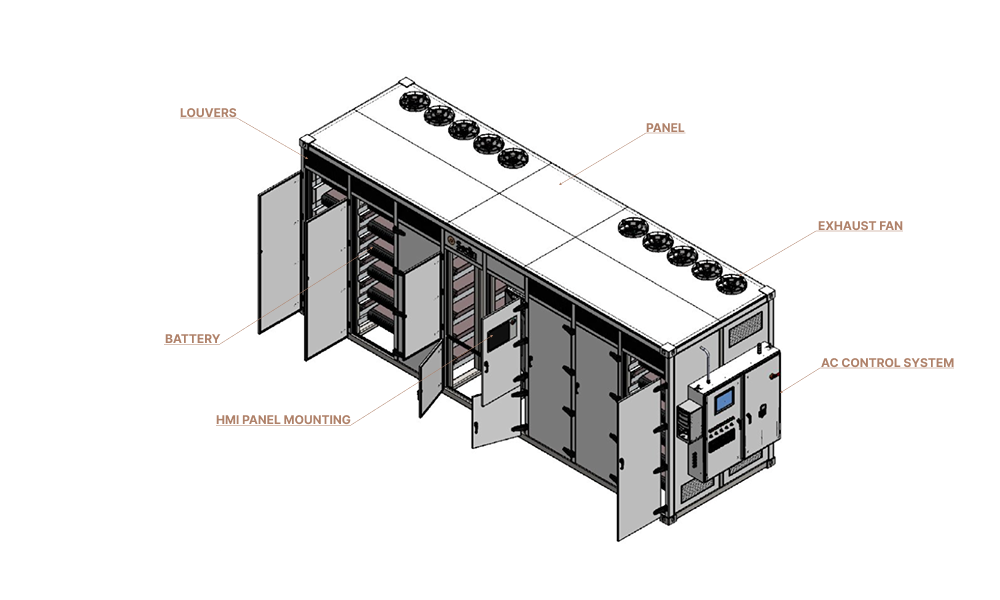
We designed custom BESS containers to accommodate high-density battery modules, supporting equipment, thermal management systems,and safety systems within the available space. Each container, sized at 25.4 ft × 7 ft × 9.8 ft, delivered 7.5 MWh of energy storage.
With 2-, 4- and 8-hour discharge options, the client was able to set up deployment to match their data center’s needs. Containers were added or adjusted as per the requirements.
Inside each BESS container:
- Lithium iron phosphate (LFP) battery cells arranged in high-density modules to maximize energy storage capacity.
- Slide-out racks designed for easy maintenance access without disrupting operations.
- DC panels manage power distribution, with cable trays and busbars pre-installed to simplify wiring and minimize mistakes during installation
- Battery Management System (BMS) continuously monitors cell health and ensures operational safety.
- Programmable Logic Controller (PLC) manages container operations and performs diagnostics.
- Compartments divided into fire zones, separating battery modules from inverters and auxiliary equipment to enhance safety.
The containers were modular, skid-mountable, built to withstand harsh environments and designed to contain fire risks safely.
2. Modular BESS skid design
Each data center BESS enclosure was mounted on a rectangular skid, with four containers connected in series on one platform. These modular skids made transport, installation and future scaling easier.
By arranging multiple skids in series and parallel, the system could be expanded to meet larger energy and power needs without changing the overall layout.
The skids also accommodated transformers and control equipment, helping simplify the overall equipment arrangement and site installation.
3. Thermal management for data center BESS
Managing heat was a top priority in the design. We designed airflow paths to ensure consistent cooling across all battery modules inside each container. To maintain safe operating temperatures, we installed:
- Redundant HVAC systems with two-stage air cooling for reliability
- Environmental sensors to monitor temperature, humidity and gas levels
- Passive airflow channels in low-risk compartments to support natural ventilation.
These measures kept the internal temperature safely between 20–30°C, even during high-demand operation or hot weather. If the temperature rises above the safe limit, the system triggers alerts to allow a quick response.
Additionally, sufficient spacing was maintained between containers and skids to promote airflow and prevent heat buildup, ensuring efficient cooling throughout the entire system.
4. Safety and fire protection
Safety was a key focus throughout the BESS design. Our system was built to meet and exceed industry standards like UL 9540, UL 9540A, relevant IEC codes and more.
Each container was equipped with:
- Smoke detectors and thermal sensors strategically placed for early hazard detection
- Clean agent fire suppression systems pre-installed in critical zones
- A fire alarm system that triggers an external horn, strobe light and fast-stop shutdown
- Deflagration panels and fast-stop mechanisms to manage thermal and gas events swiftly
We integrated continuous monitoring to detect anomalies early and alert operators, ensuring 24/7 operational safety.
5. Smart control systems
Our controls team developed a robust system that gave the client full visibility and command of their storage operation. This included:
- Real-time monitoring of State of Charge (SoC), battery health, temperature and current
- Integration with local grid control systems via Modbus and IEC standards.
- Automated charge/discharge scheduling
- Predictive maintenance alerts tied to key hardware performance metrics
A custom dashboard allowed both plant operators and utility partners to view status and issue commands from anywhere, securely.
6. Designed for easy installation and maintenance
Data center BESS systems need to be easy to install and service without disrupting critical operations. We used modular skids and pre-integrated components to reduce on-site assembly and simplify installation.
The enclosures and skids were designed for structural integrity and harsh operating conditions. Battery racks, cooling equipment and other serviceable components were positioned for easy access, simplifying maintenance and reducing disruption to data center operations.
The final design included:
- Walk-in access with safe working clearances for technicians
- Removable panels and neatly routed cabling for quick servicing
To further support field teams, we provided:
- Comprehensive service and installation manuals
- A full inventory of critical spare parts
This approach ensured the system remained efficient, durable and easy to maintain throughout its lifecycle.
Need BESS design support for a data center or similar project? Explore our BESS design services for tailored engineering support.
Value and Benefits
Our scalable battery energy storage system provided reliable backup power for data centers, with the flexibility to support other critical loads during peak demand or unexpected outages.
Custom-engineered containers are designed specifically for high energy density, easy maintenance access and built-in safety features like fire alarm system.
The 2-hour, 4-hour, and 8-hour discharge variants allowed storage capacity and duration to be matched to different power and energy requirements.
The modular, pre-integrated design allowed for faster installation and easy scalability, reducing both time-to-operation and future expansion complexity.
Through our smart control and monitoring system, the client can now track performance in real time, optimize energy usage and streamline maintenance planning.
Related Case Studies


Container Design for Battery Energy Storage System (BESS)
Learn how we optimized design of a battery storage system container to reduce weight, ensure structural integrity, and achieve efficient thermal regulation.


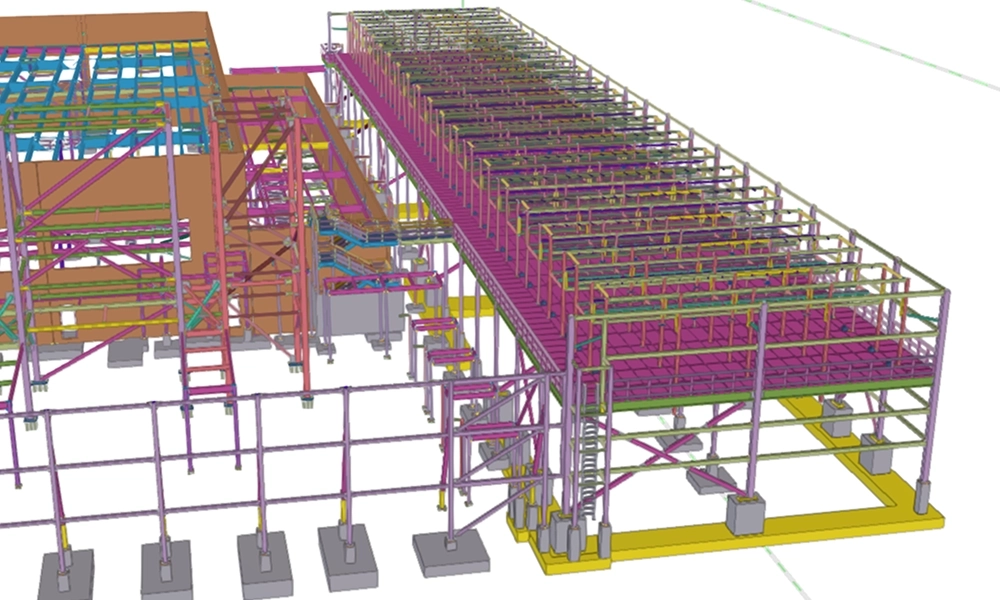
Data Center Structural Steel Detailing
Delivered Tekla modeling, steel shop drawings, erection drawings and structural detailing for a modern data center project.


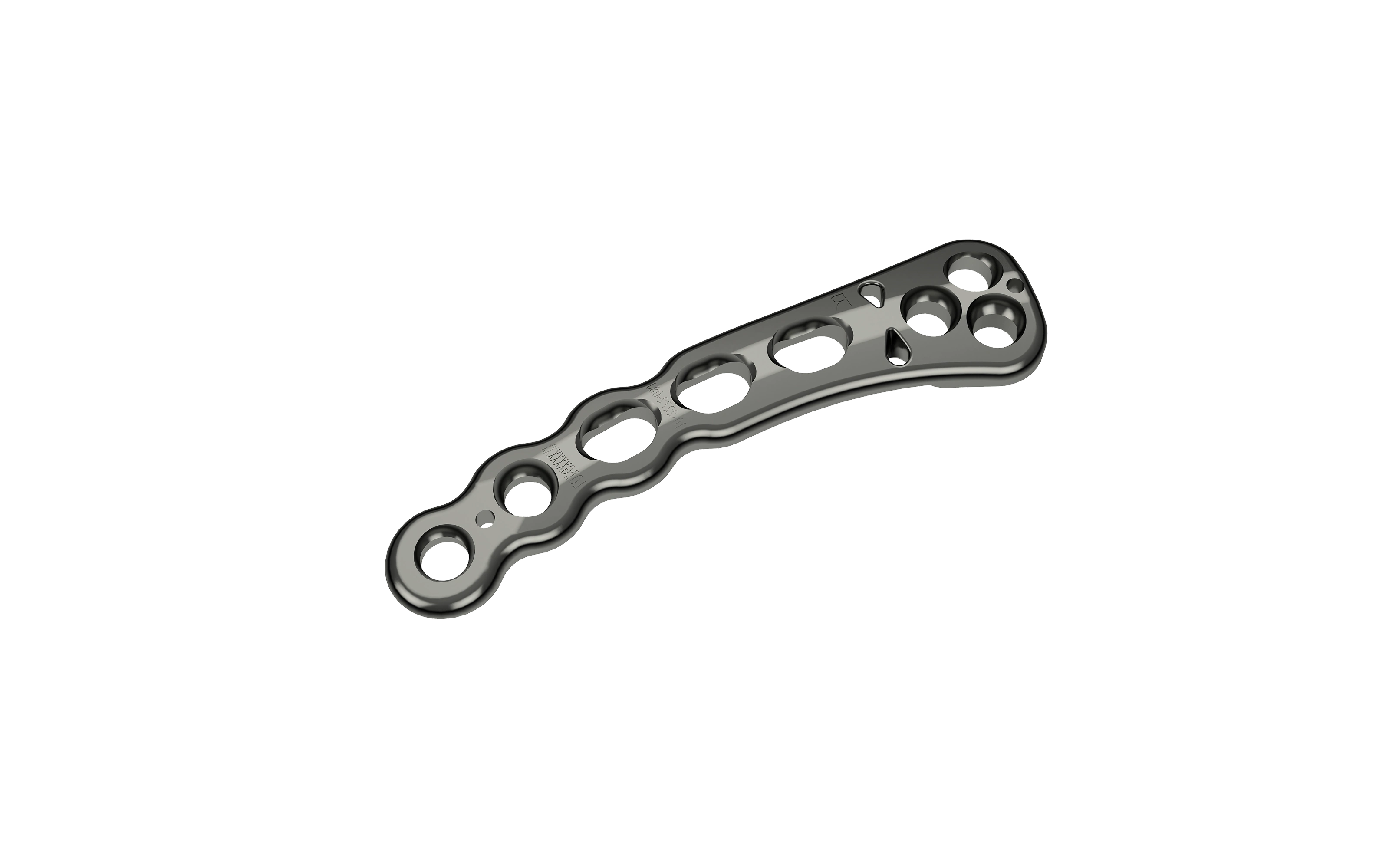
Legacy Data Migration for Orthopedic Implant Design
Modernizing legacy data for pediatric orthopedic implants with scalable 3D models, ensuring regulatory compliance, and improving surgical outcomes in the medical industry.